Kenya Mobile Betting 2026: M-Pesa Dominance and BCLB Regulatory Shifts
Kenya's sports betting market generated $1.5 billion in GGR in 2025, with 91% of deposits processed via M-Pesa. New BCLB regulations in 2026 are forcing operators to overhaul payment infrastructure or exit the market.
Kenya's Mobile-First Betting Market: $1.5B and 91% M-Pesa Penetration
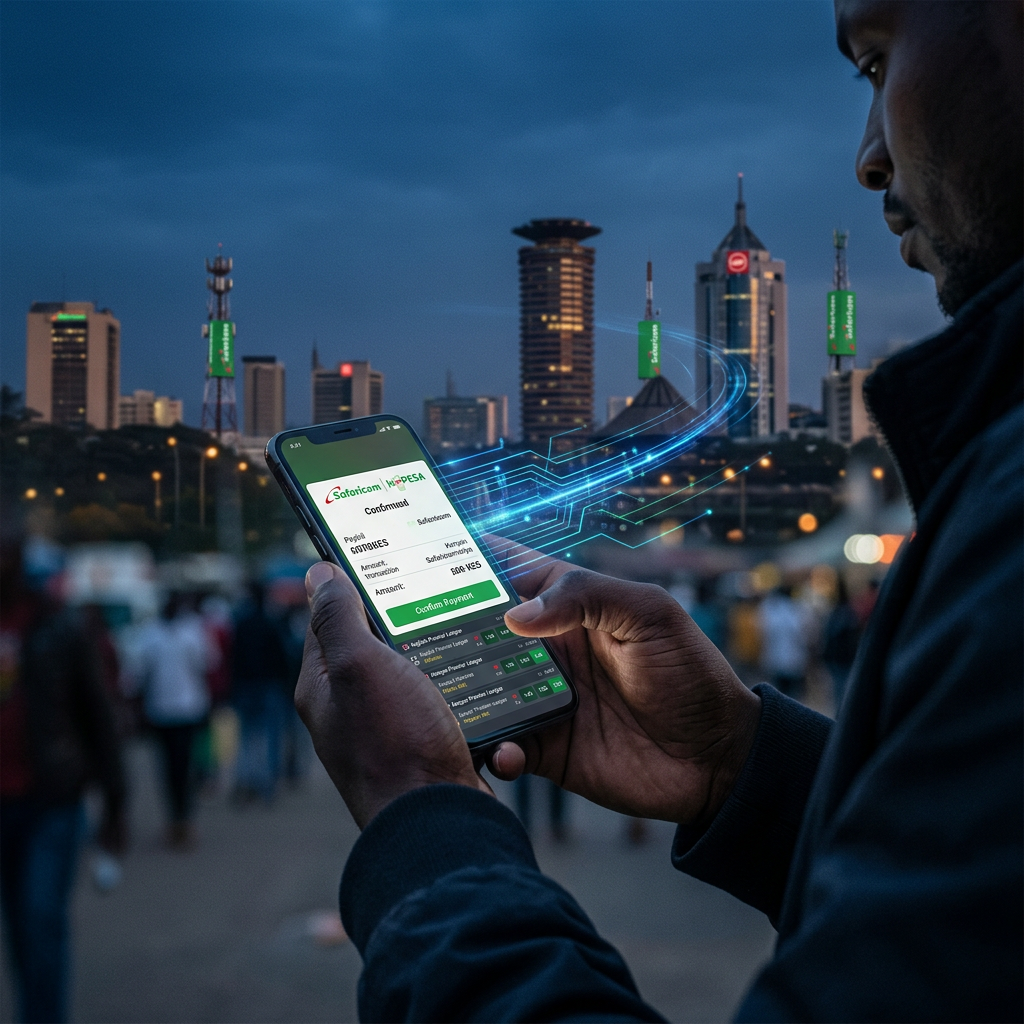
Kenya's sports betting market generated $1.5 billion in gross gaming revenue in 2025, with mobile money accounting for 91% of all deposit transactions — a figure that has fundamentally restructured how licensed operators approach product design in East Africa.
M-Pesa, operated by Safaricom and available to 32 million active users, has become the de facto payment rail for Kenya's betting industry. Operators without direct M-Pesa API integration are effectively locked out of the market. Tier-1 operators including 1xBet, 22Bet, and Betsson have all built dedicated M-Pesa deposit flows optimised for USSD-based transactions, reflecting a user base that predominantly accesses betting platforms via feature phones or entry-level Android devices with intermittent connectivity.
BCLB's 2026 Regulatory Overhaul: Withdrawal Timelines and Compliance Costs
The Betting Control and Licensing Board (BCLB) revised its licensing framework in Q4 2025, introducing a mandatory 24-hour withdrawal processing requirement for M-Pesa payouts. Operators failing to meet this threshold face escalating fines starting at KES 500,000 per violation. This regulatory shift has forced several mid-tier operators to overhaul their payment infrastructure or exit the market entirely.
Mobile betting penetration in Kenya stands at 67% of the adult population, driven by aggressive smartphone adoption subsidies from Safaricom and the availability of low-cost data bundles. The average Kenyan bettor places 4.2 wagers per week, predominantly on football — specifically the English Premier League, which commands 43% of all pre-match betting volume.
Operator Acquisition Costs Rise as Competition Intensifies
Operator acquisition costs in Kenya have risen sharply. The cost per active depositor reached $18.40 in Q1 2026, up 31% year-on-year, as competition intensified following the entry of three new tier-1 licensed operators in 2025. This has pushed established operators toward retention-first strategies, with loyalty programs tied directly to M-Pesa transaction history gaining traction.
The BCLB also introduced mandatory responsible gambling messaging requirements in January 2026, requiring all licensed operators to display problem gambling helpline information on every betting slip — digital or physical. Operators must submit monthly reports on self-exclusion registrations and betting limit activations.
Tax Environment and GGR Debate
The tax environment remains a friction point. Kenya's 20% excise duty on betting stakes, introduced in 2023, continues to suppress handle volumes compared to pre-tax baselines. Industry bodies have lobbied for a shift to GGR-based taxation, citing Uganda and Tanzania as regional precedents where GGR models have produced more sustainable licensing revenues without suppressing operator investment.
Looking forward, the BCLB has signalled intent to introduce a tiered licensing structure in H2 2026, separating sports betting, casino, and lottery operations into distinct licence categories. This would require operators currently holding composite licences to apply for individual vertical licences — a compliance burden estimated at KES 2–4 million per operator in legal and administrative costs.
What This Means for Operators Entering Kenya
For international operators assessing Kenya as a market entry target, the M-Pesa dependency is non-negotiable. A direct Safaricom API partnership or integration through an approved payment aggregator is the first infrastructure requirement — without it, deposit conversion rates fall below 12%, rendering customer acquisition economics unviable.
The BCLB's 2026 regulatory trajectory signals continued tightening. Operators that invest in compliant payment infrastructure, responsible gambling tooling, and localised product design now are positioning for the tiered licensing era. Those that treat Kenya as an extension of a global platform without local adaptation face escalating compliance risk and narrowing margins.
Kenya remains one of the highest-potential sports betting markets on the African continent. The structural fundamentals — mobile penetration, football culture, demographic youth profile — remain intact. The regulatory environment is maturing, not contracting. That distinction matters for capital allocation decisions in 2026 and beyond.
Related Analysis from DominEight
- 1xBet Expands Sponsorship Deals Across African Sports — How 1xBet's African sponsorship strategy compares to platform quality across Kenya, Nigeria, and Ghana.
- 2026 Sports Betting Regulations: What Changed and Why It Matters — The broader African regulatory context including Kenya's 7.5% withholding tax reform.
- Global Betting Regulations 2026: Country-by-Country Impact Analysis — A full country-by-country breakdown of the regulatory shifts affecting DominEight's 17 markets.
18+ · Gamble Responsibly