Sri Lanka Mobile Betting Regulation 2026: Navigating a Transitional Market
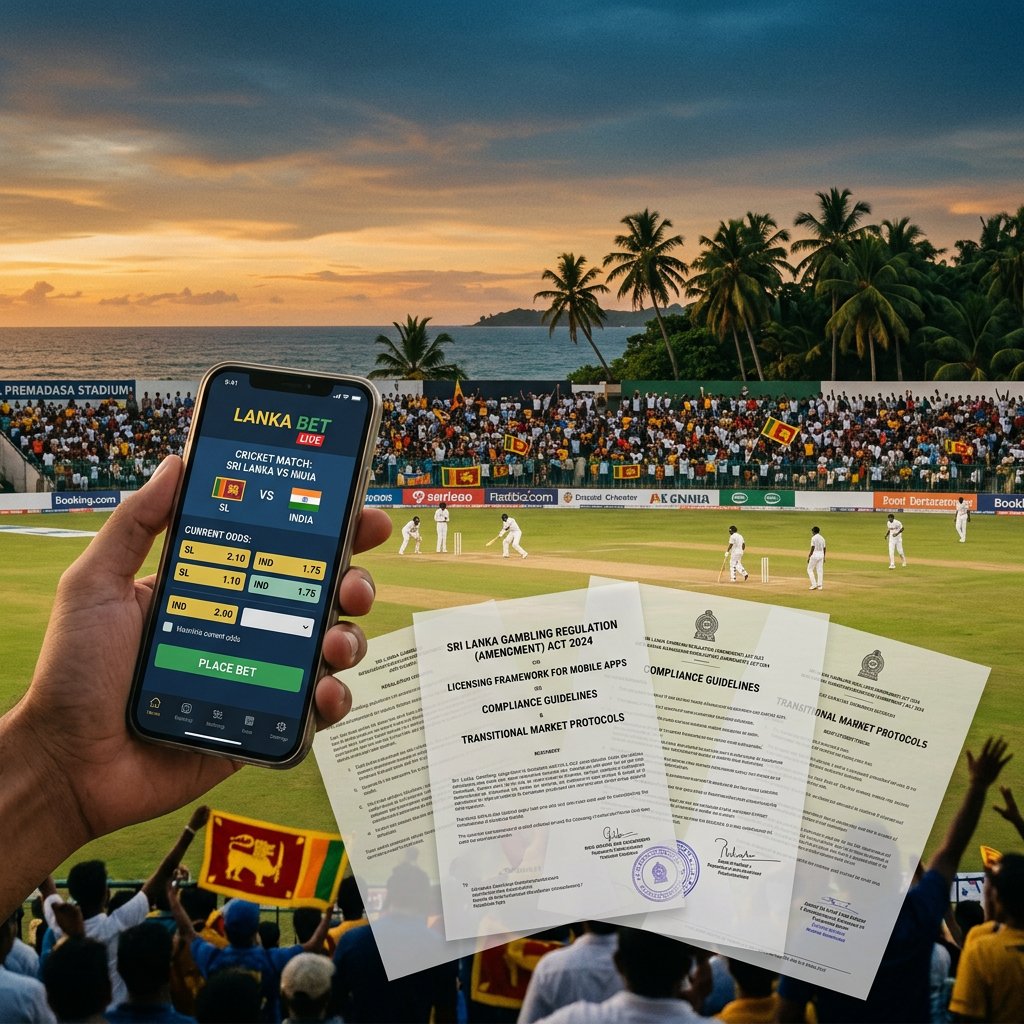
Sri Lanka's betting market is undergoing its most significant regulatory transition since the 2010 Betting and Gaming Levy Act, with the government finalising a digital gambling framework that addresses mobile betting's 74% market share for the first time.
Sri Lanka's Mobile Betting Regulatory Transition
Sri Lanka's gambling regulatory framework, largely unchanged since the Betting and Gaming Levy Act of 2010, is undergoing a fundamental review driven by the dominance of mobile betting — now representing 74% of all wagering activity — and the growth of offshore platforms serving Sri Lankan bettors outside any licensing framework.
The Ministry of Finance, which oversees gambling taxation, and the Department of Internal Revenue are jointly developing a Digital Gambling Regulatory Framework that would establish a formal licensing pathway for online and mobile operators for the first time.
Market Structure: Cricket and Mobile
Sri Lanka's betting market is cricket-centric. Sri Lanka Cricket (SLC) match fixtures, IPL coverage, and international test series collectively drive an estimated 65% of annual wagering volume. The cricket-betting nexus creates specific regulatory considerations around match integrity that the draft framework addresses through mandatory reporting obligations for licensed operators.
Mobile penetration stands at 145% (SIM cards per capita), with smartphone penetration at approximately 58%. Dialog Axiata's mobile money service and commercial bank mobile apps serve as the primary deposit channels for online betting platforms.
Regulatory Framework: Key Provisions
The draft framework proposes a dual licensing structure: a Category A licence for operators targeting the domestic market (minimum capital requirement: LKR 500 million) and a Category B licence for operators channelling offshore traffic through Sri Lankan payment infrastructure.
Key consumer protection provisions include mandatory deposit limits, self-exclusion registration, and localised responsible gambling messaging requirements.
Related Analysis from DominEight
- India Sports Betting Regulatory Shift 2026 — India's parallel regulatory development with cricket-market implications.
- Bangladesh Mobile Money Betting Surge 2026 — South Asian mobile betting infrastructure comparison.
18+ · Gamble Responsibly